
• Seven official Kilimanjaro climbing routes exist, each with distinct characteristics, duration, and difficulty levels ranging from 5 to 9 days
• The Machame and Lemosho routes offer the highest success rates due to better acclimatization profiles and scenic diversity
• Route selection should consider your fitness level, budget, preference for crowds, and desired climbing experience
• Northern routes like Rongai provide quieter experiences, while southern routes offer more diverse ecosystems and better weather protection
• Proper route selection combined with adequate preparation significantly impacts your chances of reaching the summit successfully
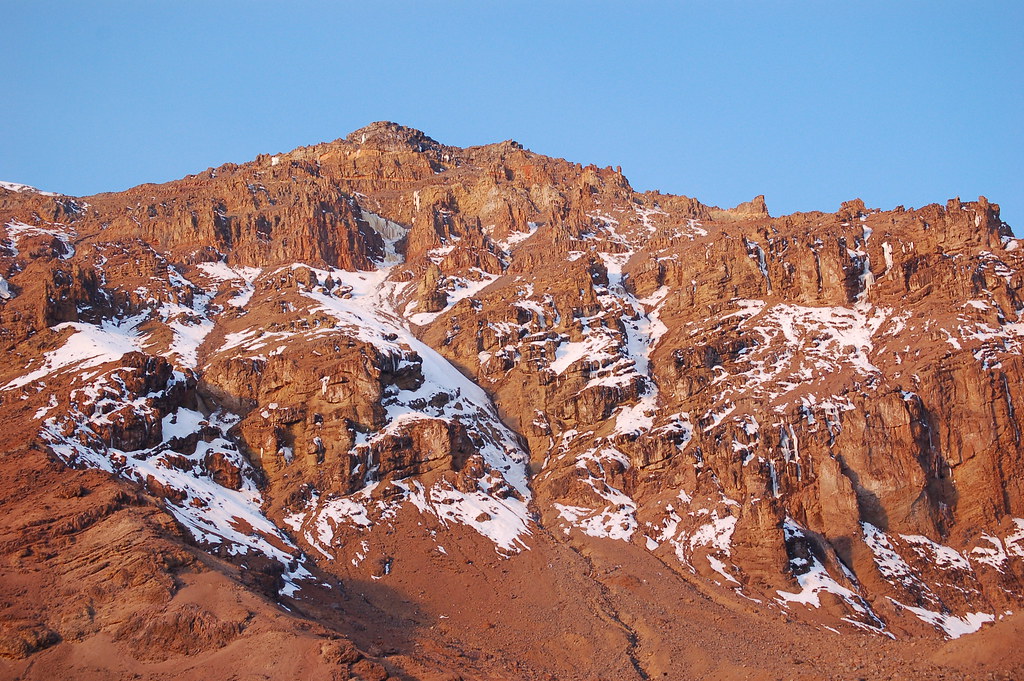
Seven Official Kilimanjaro Climbing Routes
Climbing Mount Kilimanjaro offers seven officially recognized climbing routes, each approaching the mountain from different directions and providing unique advantages. The Kilimanjaro climbing routes vary significantly in terms of scenery, difficulty, duration, and success rates. Understanding these differences helps climbers make informed decisions based on their experience level, time constraints, and personal preferences.
The mountain’s routes can be broadly categorized into southern and northern approaches. Southern routes including Machame, Lemosho, Umbwe, and Shira typically receive more rainfall, creating lusher vegetation and more dramatic weather patterns. Northern routes like Rongai and the Northern Circuit experience drier conditions and fewer crowds but may offer less scenic diversity.
Route Duration and Difficulty Overview:
The shortest routes take five days while the longest extends to nine days. Longer routes generally provide better acclimatization opportunities, leading to higher summit success rates. The “climb high, sleep low” principle works more effectively on extended itineraries, allowing your body to adapt gradually to decreasing oxygen levels.
Most Kilimanjaro climbing routes converge at Barranco Camp or merge before the final summit attempt via Stella Point or Gilman’s Point. The final ascent to Uhuru Peak remains consistent regardless of your chosen route, typically beginning around midnight for a sunrise summit experience.
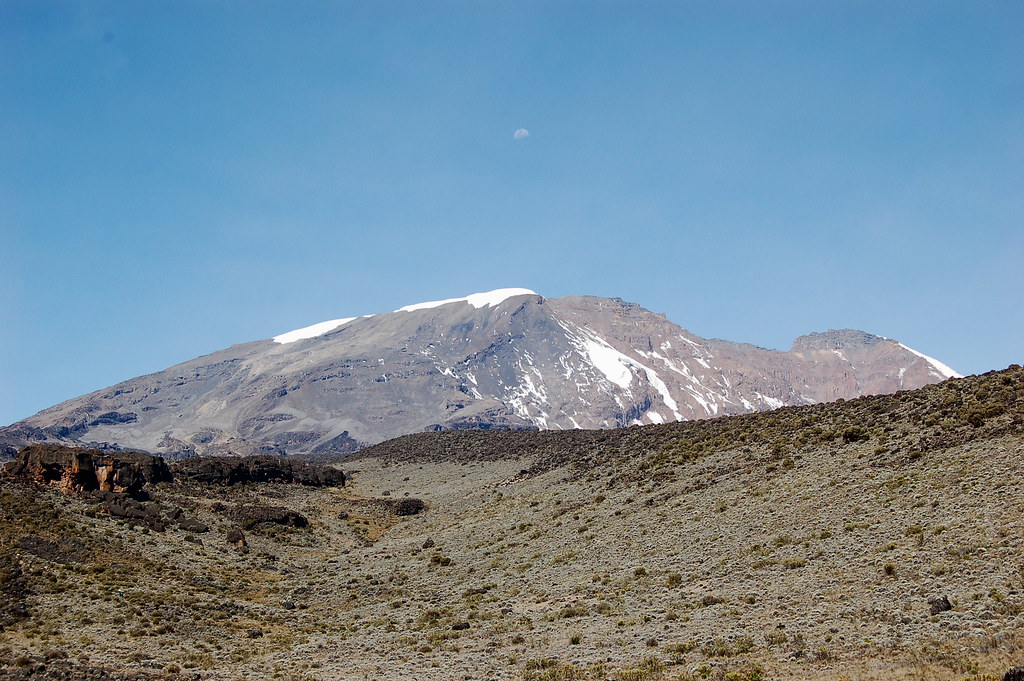
Popular Kilimanjaro Climbing Routes
Machame Route: The Whiskey Route
The Machame Route earned its nickname “Whiskey Route” due to its challenging nature compared to the gentler Marangu “Coca-Cola Route.” This six to seven-day journey ranks among the most popular Kilimanjaro climbing routes, attracting approximately 35% of all climbers annually.
Starting from Machame Gate at 5,400 feet, this route traverses diverse ecological zones from montane rainforest to alpine desert. Day one involves a steep five-hour hike through dense forest to Machame Camp at 9,350 feet. The second day presents the famous Barranco Wall, a challenging rock scramble that requires basic climbing skills but no technical equipment.
The Machame Route’s success rate hovers around 85% for seven-day itineraries, making it an excellent choice for first-time Kilimanjaro climbers. The route’s popularity means crowded campsites, particularly during peak seasons from June to October and December to March.
Machame Route Highlights:
- Diverse landscapes including rainforest, moorland, and glacial valleys
- Excellent acclimatization profile with multiple “climb high, sleep low” opportunities
- Challenging but non-technical terrain suitable for determined beginners
- High success rates when combined with proper preparation
Lemosho Route: The Scenic Champion
The Lemosho Route represents the gold standard among Kilimanjaro climbing routes for those seeking maximum scenic beauty and optimal acclimatization. This seven to eight-day route approaches from the west, offering the most diverse landscapes and highest success rates of any standard route.
Beginning at Londorossi Gate, climbers drive to the Lemosho starting point at 7,800 feet. The first two days traverse the spectacular Shira Plateau, providing stunning views of Mount Meru and the surrounding landscape. Unlike other routes, Lemosho offers extended time in each ecological zone, allowing for better wildlife viewing and photography opportunities.
The route’s eight-day itinerary boasts success rates exceeding 90%, making it ideal for climbers prioritizing summit success over cost considerations. The additional days allow for rest and acclimatization, reducing altitude sickness risks significantly.
Lemosho Route Advantages:
- Highest success rates among all standard routes
- Most scenic diversity with extended plateau crossing
- Lower crowd density, especially in early days
- Excellent wildlife viewing opportunities including elephants and buffalo
Marangu Route: The Coca-Cola Route
The Marangu Route stands apart among Kilimanjaro climbing routes as the only option offering hut accommodation instead of camping. This five to six-day route approaches from the southeast, providing a more comfortable but potentially less adventurous experience.
Marangu’s nickname “Coca-Cola Route” reflects both its relative ease and the availability of soft drinks at the mountain huts. The route follows a gradual incline through rainforest, moorland, and alpine desert zones. Mandara, Horombo, and Kibo Huts provide dormitory-style accommodation with basic amenities including solar lighting and communal dining areas.
Despite its reputation as the “easiest” route, Marangu’s five-day standard itinerary produces lower success rates around 65% due to inadequate acclimatization time. The six-day option with an extra night at Horombo Hut improves success rates to approximately 75%.
Marangu Route Characteristics:
- Only route with hut accommodation and prepared meals
- Suitable for climbers preferring comfort over camping
- Lower success rates on standard five-day itinerary
- Same ascent and descent path reduces scenic variety
Rongai Route: The Northern Approach
The Rongai Route offers the quietest experience among Kilimanjaro climbing routes, approaching from the north near the Kenyan border. This six to seven-day route attracts climbers seeking solitude and different perspectives of the mountain.
Starting from Rongai Gate at 6,400 feet, the route traverses drier landscapes with less vegetation but unique geological features. The northern approach experiences less rainfall, making it suitable for climbing during the rainy seasons when southern routes become challenging.
Rongai’s gradual ascent profile suits climbers with limited high-altitude experience, though the route’s success rates around 75% remain lower than Machame or Lemosho due to less optimal acclimatization opportunities.
Rongai Route Features:
- Least crowded route with pristine wilderness experience
- Suitable for rainy season climbing due to drier conditions
- Gradual ascent profile ideal for altitude-sensitive climbers
- Limited scenic diversity compared to southern routes
Specialized and Challenging Kilimanjaro Climbing Routes
Umbwe Route: The Steepest Challenge
The Umbwe Route represents the most direct and challenging path among standard Kilimanjaro climbing routes. This six-day route approaches from the south, featuring the steepest initial ascent and most demanding terrain.
Umbwe attracts experienced mountaineers seeking technical challenges and minimal crowds. The route’s aggressive ascent profile leaves little room for acclimatization, resulting in lower success rates around 60%. The first two days involve nearly vertical climbs through dense rainforest, requiring excellent fitness levels and mental determination.
Despite its challenges, Umbwe offers spectacular views and a true wilderness experience. The route merges with Machame at Barranco Camp, providing access to the standard western breach approach for summit day.
Northern Circuit: The Complete Experience
The Northern Circuit represents the longest and newest among official Kilimanjaro climbing routes, requiring eight to nine days for completion. This route combines elements of Lemosho and Rongai, circling nearly the entire mountain for maximum scenic exposure.
The extended duration allows for superior acclimatization, producing success rates exceeding 95%. Climbers experience all of Kilimanjaro’s ecological zones and weather patterns while enjoying minimal crowds throughout most of the journey.
The Northern Circuit’s length and cost make it suitable for climbers with flexible schedules and larger budgets. The route provides the most comprehensive Kilimanjaro experience available.
Shira Route: The High-Altitude Start
The Shira Route begins at the highest starting elevation among Kilimanjaro climbing routes, driving directly to Shira Gate at 11,500 feet. This approach eliminates the lower elevation hiking but creates immediate altitude exposure risks.
The route merges with Lemosho after day one, following identical paths thereafter. Most operators recommend Lemosho over Shira due to better acclimatization profiles and reduced altitude sickness risks.
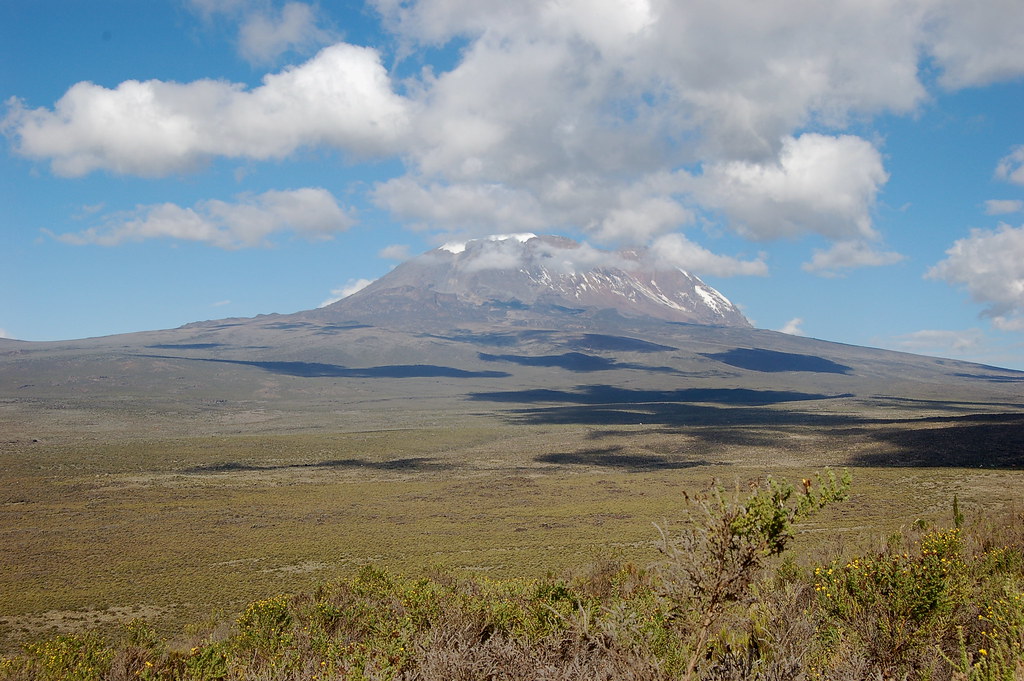
Route Selection Factors and Recommendations
Choosing among Kilimanjaro climbing routes requires careful consideration of multiple factors including fitness level, experience, budget, and personal preferences. Each route offers distinct advantages and challenges that appeal to different climber profiles.
Fitness and Experience Considerations:
Beginner climbers benefit most from longer routes with gradual ascent profiles. Lemosho and Machame provide excellent introductions to high-altitude climbing while maintaining high success rates. Experienced mountaineers might prefer Umbwe’s technical challenges or Northern Circuit’s comprehensive experience.
Physical fitness requirements vary among routes, with steeper options like Umbwe demanding superior conditioning. All routes require months of cardiovascular and strength training, regardless of chosen path.
Budget and Time Constraints:
Route costs vary significantly based on duration, accommodation type, and group size. Marangu typically costs less due to hut accommodation reducing equipment needs. Longer routes like Northern Circuit command premium prices due to extended guide services and camping fees.
Time constraints often determine route selection, with working professionals gravitating toward shorter options. However, rushing the ascent significantly reduces success chances and increases health risks.
Seasonal Considerations:
Weather patterns affect route selection throughout the year. Southern routes experience heavier rainfall during wet seasons, making northern approaches more attractive. Dry seasons from June to October and December to March provide optimal conditions for all routes.
Crowd preferences also influence timing decisions. Peak seasons bring larger groups and busier campsites, while shoulder seasons offer more solitude at the cost of potentially challenging weather.
🏔️ Kilimanjaro Route Selector Tool
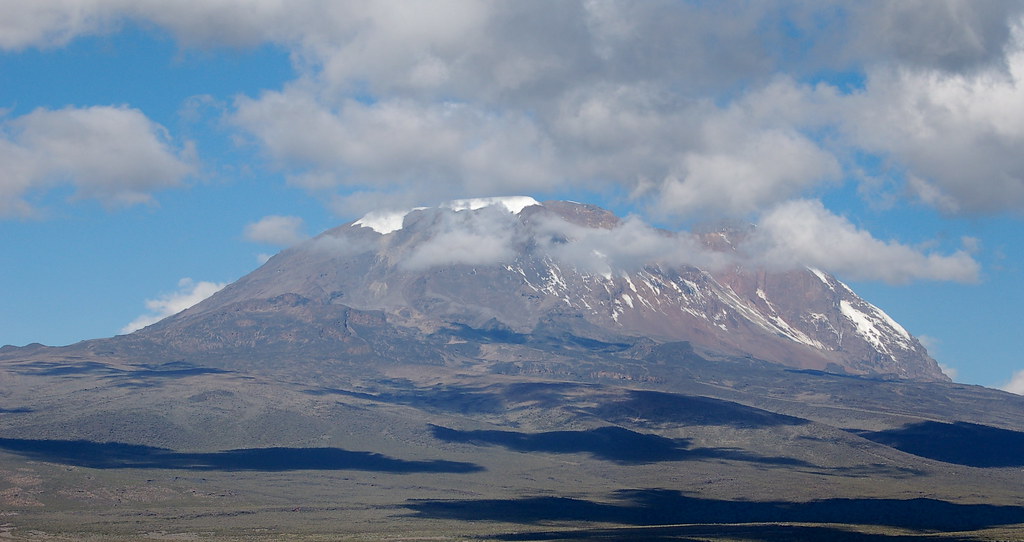
Success Rates and Preparation Tips for Kilimanjaro Climbing Routes
Success rates vary dramatically among Kilimanjaro climbing routes, ranging from 60% on challenging routes like Umbwe to over 95% on extended itineraries like the Northern Circuit. Understanding these statistics helps climbers set realistic expectations and choose appropriate routes for their skill levels.
Factors Affecting Success Rates:
Altitude acclimatization represents the primary factor determining summit success across all Kilimanjaro climbing routes. Routes allowing gradual altitude gain and “climb high, sleep low” opportunities produce consistently higher success rates. The human body requires time to adapt to decreasing oxygen levels, making rushed ascents significantly more dangerous.
Physical fitness plays a secondary but important role in summit success. While Kilimanjaro requires no technical climbing skills, the physical demands of hiking 6-8 hours daily for multiple days challenge even well-conditioned athletes. Cardiovascular endurance, leg strength, and mental resilience all contribute to successful summit attempts.
Weather conditions can dramatically impact success rates across all routes. Clear weather windows during summit night provide optimal conditions, while storms, high winds, or extreme cold can force turnarounds even for well-prepared climbers.
Pre-Climb Preparation Strategies:
Successful Kilimanjaro climbers begin preparation months before their chosen departure date. Cardiovascular training should include regular hiking with weighted packs, stair climbing, and endurance activities. Building leg strength through squats, lunges, and hiking helps prepare muscles for extended daily efforts.
Altitude training provides advantages for climbers living at sea level. Spending time at elevation before the climb, using altitude training masks, or sleeping in altitude tents can improve acclimatization responses.
Mental preparation often receives insufficient attention despite its critical importance. Visualizing challenging moments, developing coping strategies for discomfort, and maintaining positive attitudes during difficult periods significantly impact success rates.
Seasonal Weather Patterns and Route Selection
Weather patterns on Mount Kilimanjaro follow predictable seasonal cycles that significantly influence route selection and climbing conditions. Understanding these patterns helps climbers choose optimal timing and appropriate Kilimanjaro climbing routes for their preferences and risk tolerance.
Dry Seasons: Peak Climbing Conditions
Two distinct dry seasons provide optimal climbing conditions across all Kilimanjaro climbing routes. The longer dry season from June through October offers the most stable weather with minimal rainfall and clear skies. This period attracts the highest number of climbers, resulting in crowded campsites and higher costs.
The shorter dry season from December through March provides excellent climbing conditions with fewer crowds than the June-October period. Temperatures remain moderate, and precipitation stays minimal across most routes.
During dry seasons, southern routes like Machame and Lemosho offer spectacular views and comfortable camping conditions. Northern routes remain accessible but may lack the dramatic scenery provided by clearer southern exposures.
Wet Seasons: Challenging but Possible
Two wet seasons present more challenging conditions but remain viable for experienced climbers choosing appropriate routes. The long wet season from March through May brings heavy rainfall, particularly affecting southern routes. Northern approaches like Rongai become more attractive during this period due to rain shadow effects.
The short wet season in November typically brings lighter precipitation and represents a good compromise between weather conditions and crowd levels. Many experienced climbers prefer November for its combination of reasonable weather and reduced crowds.
Temperature and Weather Variations by Route
Southern Kilimanjaro climbing routes experience more dramatic weather variations due to prevailing wind patterns and moisture exposure. These routes offer lusher vegetation and more diverse ecosystems but require additional weather protection and gear.
Northern routes experience drier conditions year-round but may lack the scenic diversity that attracts many climbers. The trade-off between weather stability and scenic beauty influences route selection for many climbing parties.
Temperature variations occur primarily with altitude rather than route selection. All routes experience similar temperature ranges at equivalent elevations, with summit temperatures dropping well below freezing regardless of season.
Logistics and Planning for Your Chosen Route
Successful Kilimanjaro expeditions require careful logistical planning that varies significantly among different Kilimanjaro climbing routes. Understanding permit requirements, equipment needs, and guide services helps climbers prepare adequately for their chosen route.
Permit and Booking Requirements
All Kilimanjaro climbing routes require advance permits through the Tanzania National Parks Authority. Peak season permits often sell out months in advance, making early booking necessary for popular routes and preferred dates.
Different routes have varying permit costs, with longer routes commanding higher fees due to extended park usage. Camping fees, rescue insurance, and guide licensing add to base permit costs across all routes.
International climbers must work with licensed Tanzanian operators who handle permit applications, guide services, and equipment provision. Choosing reputable operators significantly impacts safety, success rates, and overall experience quality.
Equipment and Gear Considerations
Equipment requirements remain largely consistent across Kilimanjaro climbing routes, with minor variations based on accommodation type and route duration. All routes require four-season sleeping bags, waterproof clothing, and high-altitude gear suitable for sub-freezing temperatures.
The Marangu Route offers the only exception to camping gear requirements, providing hut accommodation that eliminates tent and sleeping pad needs. However, climbers still require personal cold-weather clothing and equipment for summit attempts.
Longer routes require additional clothing and personal items but offer advantages in gear distribution and weight management. Extended itineraries allow for more gradual pack weight increases as consumables are used.
Guide Services and Porter Support
Tanzanian regulations require licensed guides for all Kilimanjaro climbing routes, with guide-to-climber ratios varying by operator and group size. Experienced guides provide route knowledge, safety oversight, and cultural insights that significantly enhance the climbing experience.
Porter support varies among routes and operators, with some companies providing generous porter allocations while others maintain minimal staffing. Understanding porter policies helps climbers pack appropriately and set realistic expectations for service levels.
Tipping represents a significant cultural expectation across all routes, with recommended amounts varying by route length and group size. Budgeting for guide and porter tips prevents awkward situations and ensures positive relationships with mountain staff.
Health and Safety Considerations Across Routes
Health and safety considerations remain paramount across all Kilimanjaro climbing routes, with specific risks and mitigation strategies varying by route characteristics and duration. Understanding these factors helps climbers make informed decisions and prepare appropriate safety measures.
Altitude Sickness Prevention and Management
Acute Mountain Sickness affects climbers on all Kilimanjaro climbing routes, with risk levels varying based on ascent profiles and individual susceptibility. Longer routes with gradual altitude gain provide better acclimatization opportunities and reduced AMS risks.
Prevention strategies include proper hydration, gradual ascent rates, and recognition of early symptoms. Climbers should understand when to descend and how to communicate symptoms to guides and team members.
Medication options including acetazolamide can help prevent and treat altitude sickness, but climbers should consult physicians before departure and understand proper usage protocols.
Route-Specific Safety Considerations
Different Kilimanjaro climbing routes present unique safety challenges requiring specific preparation and awareness. The Machame Route’s Barranco Wall requires basic scrambling skills and comfort with exposure, while Umbwe’s steep terrain demands excellent fitness and balance.
Weather exposure varies significantly among routes, with southern approaches experiencing more dramatic weather changes and northern routes offering more predictable conditions. Understanding these differences helps climbers pack appropriate gear and set realistic expectations.
Emergency evacuation procedures differ among routes based on access points and helicopter landing capabilities. Remote routes may require longer evacuation times, influencing risk management decisions for climbers with medical conditions.
Medical Preparation and Emergency Planning
Comprehensive medical preparation should begin months before departure, including physical examinations, vaccination updates, and medication reviews. Climbers with pre-existing conditions require additional medical clearance and specialized preparation.
Travel insurance covering high-altitude rescue and medical evacuation provides critical protection for all Kilimanjaro climbing routes. Standard travel insurance often excludes mountaineering activities, making specialized coverage necessary.
Emergency communication devices including satellite messengers or emergency beacons provide additional safety margins for remote routes or climbers with higher risk profiles. Understanding device limitations and proper usage prevents false confidence in emergency situations.