
Mount Kilimanjaro and Ngorongoro Safaris – Trekking Routes, Safari Packages, Costs, and How to Book offer incredible opportunities to explore Tanzania Safaris. Popular trekking routes for Mount Kilimanjaro include the Marangu, Machame, and Lemosho routes, with average costs ranging from $1,500 to $3,000 depending on the route, number of days, and group size. Ngorongoro Safaris often feature game drives in the Ngorongoro Crater, with packages starting around $500 per day, covering park fees, transportation, and guides. To visit Tanzania, you can book tours through tour operators specializing in Kilimanjaro climbs and wildlife safaris, often combining them into customizable itineraries. Research operators carefully to compare packages and ensure all services, such as accommodations, are included.
What are the main trekking routes available for climbing Mount Kilimanjaro?
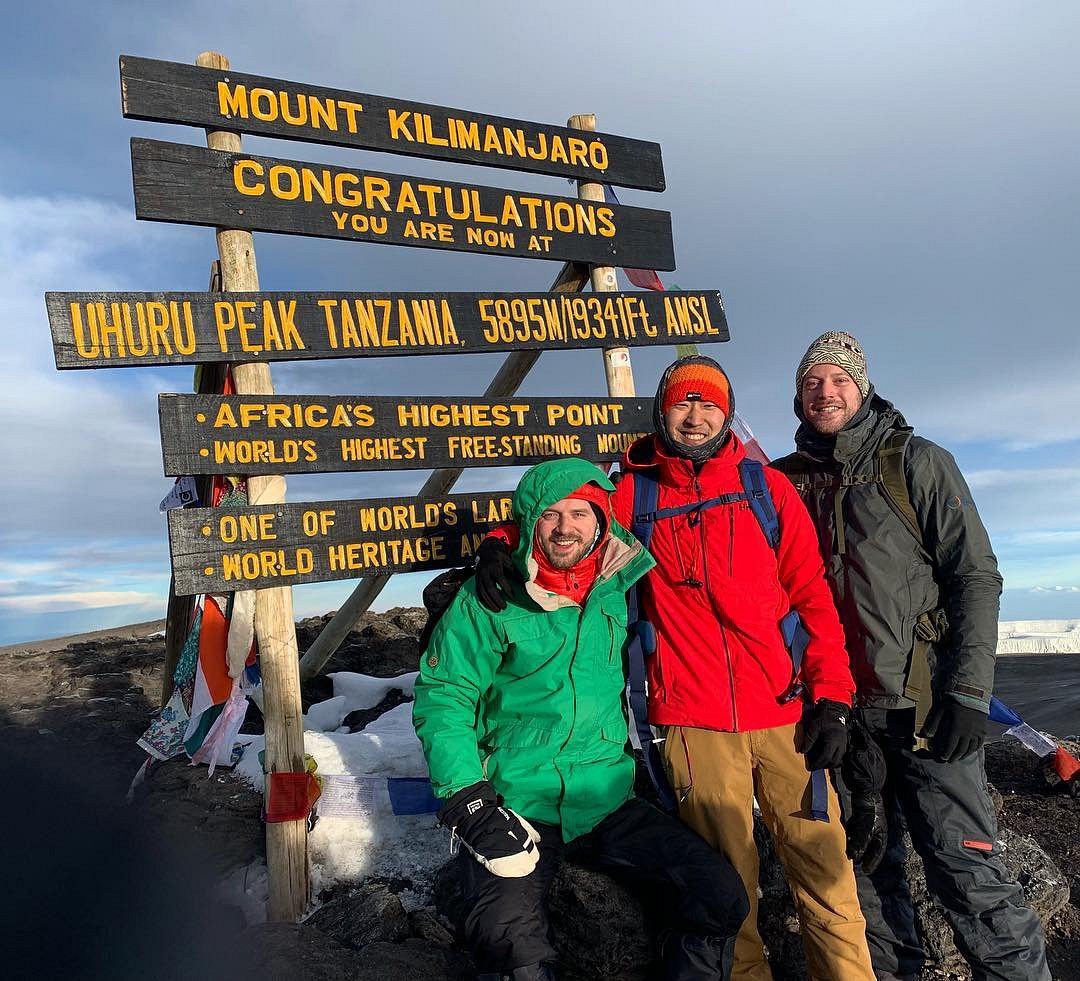
Mount Kilimanjaro, located in Tanzania, is the tallest free-standing mountain in the world and has several trekking routes to reach its peak, Uhuru Peak, at 5,895 meters. The main routes are:
- Marangu Route: Known as the “Coca-Cola route,” this is the only route with shared hut accommodations instead of camping. It is more direct, can be completed in about 5-6 days, and is often considered easier. However, the fast ascent leads to lower success rates for reaching the summit due to insufficient acclimatization.
- Machame Route: Called the “Whiskey route,” it is one of the most popular options. It takes around 6-7 days and is known for its scenic views and challenging terrain. Trekkers sleep in tents, making it feel more adventurous. Its higher success rate stems from a better acclimatization profile.
- Lemosho Route: This route is longer and more gradual, taking about 7-8 days. It is less crowded than other routes and provides stunning views and diverse landscapes. Trekkers typically choose this for a better acclimatization period, increasing their chances of success.
- Rongai Route: This begins from the northern side of the mountain, near the border with Kenya. It features drier terrain and takes about 6-7 days. Fewer trekkers use this route, making it a quieter option, but its scenery is considered less varied.
- Northern Circuit Route: The longest route, taking around 9 days, offers excellent acclimatization because of its slow ascent. It circumvents nearly the entire mountain, providing unique 360-degree views.
- Umbwe Route: Known for being one of the steepest and most direct routes, it is a difficult option and takes about 5-7 days. Trekkers tend to avoid this unless they are highly experienced.
Each route has its charm and challenges, so the choice often depends on personal fitness levels, trekking experience, and the kind of Kilimanjaro adventure desired.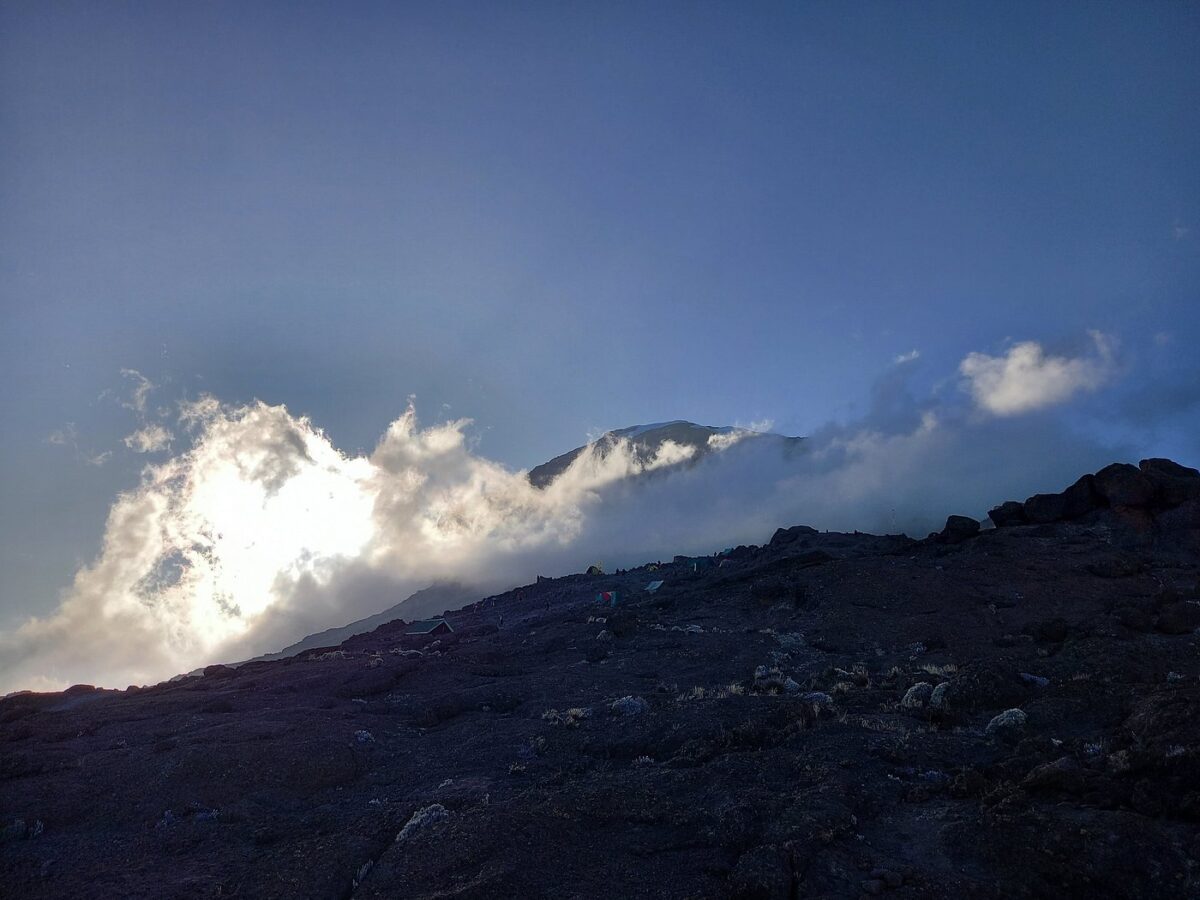
How do the trekking routes differ in terms of difficulty, duration, and scenery?
The routes on Mount Kilimanjaro differ in several ways that can impact a trekker’s experience. Let’s break this down:
- Difficulty:
Routes such as Marangu are considered less challenging because of their quick and straightforward path. On the other hand, routes like the Umbwe are steep and require high levels of fitness and stamina. Lemosho, Machame, and the Northern Circuit are moderately challenging, owing to their longer durations and varied terrains, which allow for better acclimatization. - Duration:
The time needed for each route varies. Umbwe and Marangu are shorter (5-6 days) but provide limited opportunities to acclimatize. Lemosho, Machame, and Rongai take 6-8 days. The Northern Circuit requires more time, about 8-10 days, offering a slower, more gradual ascent. - Scenery:
The Machame and Lemosho routes are highly praised for their diverse environments, passing through rainforests, heathlands, alpine deserts, and glacial areas. Rongai has less variation but offers dry, rugged scenery and better views of Kenya. Marangu is more straightforward but provides fewer panoramic landscapes compared to other routes. The Northern Circuit features a comprehensive range of views due to its longer and more rounded path.
For example, if you’re looking for a picturesque journey with balanced difficulty, the Lemosho or Machame Route would be excellent choices. If your focus is speed or a less crowded trek, Marangu or Rongai might suit you better.
What is the best time of year to climb Mount Kilimanjaro?
The best times to climb Mount Kilimanjaro are during Tanzania’s dry seasons, which offer better weather for trekking and clear views of the mountain. The two main climbing periods are:
- January to mid-March:
This is considered a good time as the weather is generally stable, with lots of sunshine during the day. However, it can get colder as you approach March because it gets closer to the rainy season. You’ll find fewer climbers compared to later months. - June to October:
This is the most popular climbing season. The skies are usually clear, and the weather is manageable, though temperatures can be colder on the summit. The mountain tends to be busier during this period, especially in July and August.
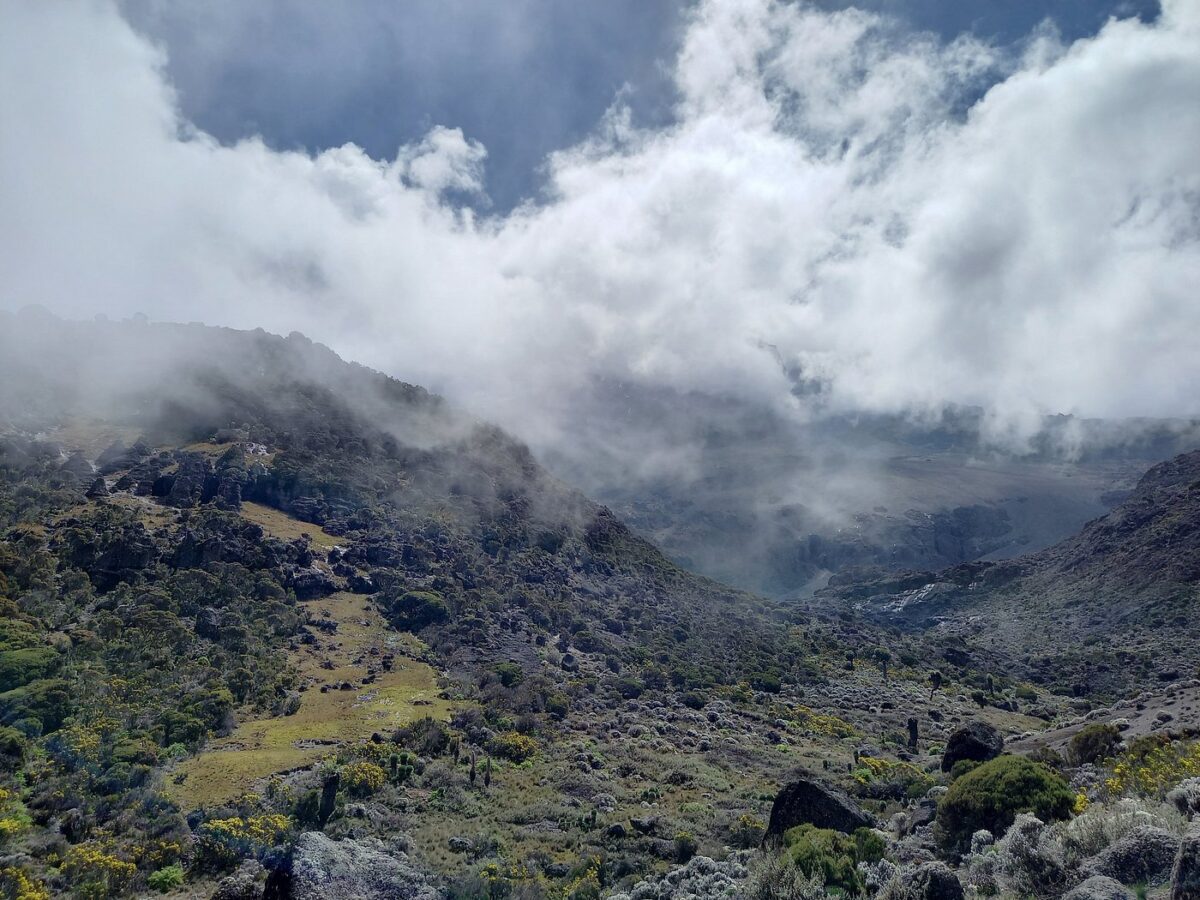
During the rainy seasons (April to May and November), climbing conditions are less favorable due to heavy rains, slippery trails, and cloud-covered views. However, fewer people attempt climbs during these months, which may appeal to those preferring solitude. The Rongai Route, located on the drier northern side, is often selected during rainier months.
An important tip for planning is to check the full moon calendar, as many climbers prefer summiting during a full moon for better visibility at night and stunning moonlit landscapes.
What permits or fees are required for climbing Mount Kilimanjaro?
To climb Mount Kilimanjaro, you must pay specific permits and fees set by the Tanzanian government. These fees are mandatory and mainly go toward conservation efforts, park maintenance, and ranger wages. The primary fees are as follows:
- Park entry fees: Every climber must pay a daily fee to enter the Kilimanjaro National Park. As of recent policies, this fee is around $70 per day per person. Since most treks take 5–9 days, the total cost for these fees can vary depending on how long your trek lasts.
- Camping or hut fees: Depending on the route you choose, you either camp in tents or stay in huts provided by the park. Camping fees cost approximately $50 per night, while staying in huts (like on the Marangu Route) costs about $60 per night.
- Rescue fees: There is a mandatory $20 rescue fee. This fee helps fund the rescue services available in case a climber needs to be evacuated, such as for altitude sickness or other emergencies.
- Crew fees: Climbers are required to climb with a licensed guide and crew (porters and cooks). While this isn’t a “park fee,” you’ll need to cover their wages, the food for the crew, and their park entry fees. This cost is included in the price of tour packages.
In general, these permits and fees are usually included in the price of a guided trek, so most tour operators will handle the arrangements for you. It’s essential to confirm with your operator what’s included upfront to avoid surprises.
What should I pack and prepare for a Kilimanjaro trek?
Packing for a Kilimanjaro trek is essential for overcoming the challenges of the climb. The weather ranges from warm and sunny at lower altitudes to freezing temperatures near the summit, so you need clothing and equipment for all conditions. Here’s an overview of necessities:
- Clothing layers: Pack moisture-wicking base layers, insulating mid-layers (like fleece or down jackets), and waterproof outer layers. The ability to remove or add layers will help you adjust to the rapidly changing temperatures.
- Boots and socks: Sturdy, waterproof hiking boots with good ankle support are vital. Also, bring multiple pairs of high-quality hiking socks to avoid blisters.
- Sleeping bag: A sleeping bag rated for extreme cold (up to -10°C or lower) is critical for staying warm at night, especially above the treeline.
- Accessories: Items like gloves, a hat, thermal underwear, and a scarf are necessary to protect against cold and wind. Bring sunglasses and sunscreen for UV protection.
- Water and snacks: A reusable water bottle or hydration pack is essential to stay hydrated. Water is boiled on the mountain, so bring purification tablets or filters. High-energy snacks like trail mix can keep you fueled.
- Other essentials: Pack a headlamp with extra batteries, trekking poles (for stability), a first aid kit, and personal hygiene items like hand sanitizer, biodegradable wipes, and a toothbrush.
- Daypack: A small backpack is useful for carrying items like extra layers, water, and snacks during the day. Porters typically carry your main luggage, but you’ll have easy access to your daypack.
Finally, mental preparation is as important as your gear. The trek can be challenging due to altitude, long days of walking, and cold temperatures, so training with hikes and gaining physical fitness beforehand is helpful.
What is included in safari packages for the Ngorongoro Conservation Area?
A Ngorongoro safari package usually covers several components to provide a complete and enjoyable experience for visitors. While options vary depending on the tour operator, most packages include the following:
- Park fees: The entrance fee to the Ngorongoro Conservation Area is included in most packages. This fee allows you access to the area and helps fund conservation projects. The cost is approximately $70 per adult per day.
- Transportation: Transportation typically involves a 4×4 safari vehicle with a pop-up roof, designed for wildlife viewing. Licensed drivers double as guides and share knowledge about the wildlife, geology, and history of the area.
- Meals: Multi-day safari packages usually include meals. If it’s a day trip, a packed lunch is often provided. Meals cater to dietary needs when arranged in advance.
- Accommodation: Depending on the package, accommodation may be in budget lodges, luxury camps, or permanent tented sites either within or near the conservation area. Some packages allow for upgrades or customization based on preferences.
- Game drives: The main activity in most safari packages is the guided game drive through the Ngorongoro Crater. These drives offer opportunities to spot lions, elephants, rhinos, hippos, and many other species.
- Guides: Knowledgeable guides are included to enhance your understanding of the wildlife and geography of the region.
Some operators include extras like stops at a Masai village for a cultural experience or optional hot air balloon rides (at an extra cost). Always confirm what’s included in your package to ensure it matches your interests and budget.
What animals and landscapes can I expect to see on a Ngorongoro safari?
The Ngorongoro Conservation Area in Tanzania is a UNESCO World Heritage Site and holds incredible opportunities for wildlife viewing and scenic beauty. One of its most famous features is the Ngorongoro Crater, a large volcanic caldera that serves as a natural enclosure for a wide range of animals. Visitors often describe it as a natural wildlife haven because its geography supports a dense and diverse collection of animals within a relatively small area.
In terms of animals, you can expect to see the “Big Five”: lions, leopards, elephants, buffalo, and the highly endangered black rhinoceros. The crater is one of the very few places in Africa where you can see rhinos in the wild. Other frequently spotted animals include zebras, wildebeest, hippos, hyenas, gazelles, and various types of antelope. The area is also home to smaller animals like jackals and baboons.
Bird enthusiasts will find over 500 species of birds, including flamingos that gather in huge numbers around the soda lakes, such as Lake Magadi within the crater. Other birds include ostriches, crowned cranes, and vultures. The landscape itself is breathtaking, with grasslands dominating the crater floor, scattered acacia trees, and dramatic cliffs surrounding the area.
The area is not limited to the crater. The broader conservation area includes highland plains, forests, and volcanic peaks. On the outer edges of Ngorongoro, you’ll also encounter Maasai villages, making it a cultural as well as a natural gem to explore.
In short, a safari in Ngorongoro provides a chance to spot an unparalleled mix of animals within an incredibly scenic volcanic landscape, offering something for wildlife lovers and photographers alike.
Is it possible to combine a Kilimanjaro trek with a Ngorongoro safari, and how does it work?
Yes, it is absolutely possible to combine a Mount Kilimanjaro trek with a safari to the Ngorongoro Conservation Area, and many travelers choose to do so to get the best of both experiences, hiking and wildlife viewing. Some tour operators even offer pre-arranged combinations of both activities, sometimes referred to as “Kili and Safari Packages.”
Here’s how it typically works:
After completing your Kilimanjaro trek, which can take anywhere between 5 to 9 days depending on the route, most tours include a day or two for rest and recovery in towns like Moshi or Arusha. Once rested, you can start your Ngorongoro safari. Transportation is commonly provided, usually by 4×4 vehicles equipped for off-road conditions. The journey to Ngorongoro from Arusha takes about 3-4 hours by car.
A standard combined itinerary might look like:
- Mount Kilimanjaro trek (5–9 days).
- Rest day in Moshi or Arusha.
- 2–3 days for a Ngorongoro safari, which often includes visits to other nearby parks like Tarangire National Park or Lake Manyara.
Why combine the two?
Climbing Kilimanjaro is physically demanding and provides unparalleled panoramic views and personal accomplishment. A Ngorongoro safari, on the other hand, allows you to relax while observing African wildlife in its natural habitat. Combining both gives you an opportunity to mix adventure and leisure in a single trip.
When booking, ensure that your tour operator specializes in both trekking and safari experiences. This ensures they can provide seamless transportation, professional guides, and an itinerary that fits within your available time frame.
How much does it cost to climb Mount Kilimanjaro and go on a Ngorongoro safari?
The cost of climbing Mount Kilimanjaro combined with a Ngorongoro safari can vary significantly based on:
- Route chosen for Kilimanjaro (there are 7 primary trekking routes).
- Length of the climb (5–9 days).
- Type of safari (budget, mid-range, or luxury).
Climbing Mount Kilimanjaro:
For Kilimanjaro, costs generally include park fees, guides, porters, meals, tents, and transportation. Expect to pay:
- $2,000 to $4,000 per person for a standard 7-day trek.
- Private treks or luxury options (with services like more experienced guides, private tents, or special meals) may cost more, up to around $6,000 per person.
About half of the cost goes toward mandatory park fees (approximately $800-$1,100).
Ngorongoro Safari:
Safari costs depend on the number of days, group size, type of accommodation, and additional parks included. For Ngorongoro alone:
- Budget safari: $200–$300 per day (lodges or tents).
- Mid-range safari: $400–$600 per day.
- Luxury safari: $700–$1,500+ per day (luxury lodges and private vehicles).
For a combined 3-day safari package, budgeting $600–$1,800 is typical based on accommodations and group size.
Combined Trip Estimate:
Combining a Kilimanjaro trek and a 3-day Ngorongoro safari can cost $2,800 to $6,000 per person for budget or mid-range options. Luxury packages could be significantly higher.
It is recommended to ask for a detailed breakdown of all costs when booking, including tips for guides and porters or optional extras like upgrades to accommodations.
Are there budget-friendly or luxury package options for these adventures?
Yes, there are options for both budget-friendly and luxury packages when it comes to climbing Mount Kilimanjaro or going on a safari in the Ngorongoro Conservation Area. These packages can vary widely based on factors such as the level of service, accommodation type, and included amenities. Here’s an overview:
For people looking for budget-friendly options, you can often choose group climbs or safaris. Group climbs on Mount Kilimanjaro typically have multiple trekkers sharing guides, cooks, and porters to spread costs. On a safari, budget options often involve shared vehicles and basic accommodations like campsites instead of pricey lodges. In these options, meals may be simpler, and services like hot showers or private tents might not be available. For example, you might sleep in a tent on a Kilimanjaro trek or at a campsite near Ngorongoro, which lowers the overall price.
If you prefer luxury packages, you can expect private, personalized services that offer more comfort. These packages often include extra support teams, larger tents with added features like camp beds, and gourmet meals. On safari, luxury options often feature upscale lodges with private rooms, better meal choices, exclusive 4×4 safari vehicles, and opportunities for more tailored itineraries. For example, some safaris include stays at five-star lodges inside the Ngorongoro Crater with stunning views and private wildlife drives.
The price difference between budget and luxury packages can be significant. For a Kilimanjaro trek, budget options may range from $1,500 to $3,000, while luxury climbs can cost $4,000 or more. For Ngorongoro safaris, budget packages might start around $200 per day, whereas luxury safaris could cost $600 or more per day, depending on accommodations and inclusions.
When choosing between these options, it’s important to decide what trade-offs you’re comfortable making regarding cost versus comfort. Ensure that even with budget options, you still have safety-focused guides, reliable equipment, and proper park permits.
What are the best ways to book a Kilimanjaro trek and an Ngorongoro safari?
Booking a Kilimanjaro trek or an Ngorongoro safari can be done through multiple methods, each suited to different preferences. The key is to decide whether you want to plan everything yourself or work with a company to handle the details.
One of the easiest ways to book these trips is through specialized tour operators. These companies offer pre-arranged packages where they handle guides, accommodations, meals, transportation, and permits. This option is convenient, especially for first-time travelers. Many operators also allow you to customize your itinerary if you’d like to combine a Kilimanjaro trek with a safari. For example, you could find a package that includes a seven-day climb followed by two days exploring Ngorongoro.
You can also book through online platforms and travel websites that connect with local operators. Websites like Viator, Safari Bookings, or TourRadar often list different trips with reviews and ratings, helping you compare options. However, while online platforms are convenient, confirm that the service provider is reputable.
If you’re on a tight budget, you can book directly with local operators in Tanzania. Emailing or calling local guide companies can let you skip booking fees from third-party agencies. Research the company thoroughly by checking reviews online to ensure professionalism. Keep in mind that local bookings might require more planning on your part since you’ll need to arrange details like international flights and insurance separately.
Lastly, for travelers looking for simplicity, some people book through travel agents. Although this method may not be the cheapest, it’s stress-free because agents handle all logistics like flights, insurance, and even pre/post-trek tours.
Whichever method you choose, it’s best to book well in advance, at least two or three months before your trip. This ensures that your permits, guides, and accommodations will be available, especially during busy seasons.
How do I choose a reputable tour operator for these experiences?
Finding a reliable tour operator for a Kilimanjaro trek or Ngorongoro safari is crucial to having a safe and enjoyable experience. Here are some key points to consider:
- Check reviews and ratings: Look for customer feedback on trusted platforms like TripAdvisor, Google Reviews, or Safari Bookings. Good reviews, particularly those mentioning safety, experienced guides, and well-maintained equipment, are a positive sign.
- Verify certifications: Reputable tour operators are often registered with professional organizations. For example, on Kilimanjaro, look for companies certified by the Kilimanjaro Porters Assistance Project (KPAP), which ensures fair treatment of porters. Safari operators might be members of organizations like the Tanzania Association of Tour Operators (TATO), guaranteeing quality.
- Ask about safety measures: A good operator prioritizes safety. For a Kilimanjaro trek, they should provide a detailed plan for acclimatization, carry enough oxygen and medical supplies, and have experienced guides familiar with altitude sickness. On safari, the company’s drivers and vehicles should be licensed and well-maintained.
- Compare pricing: Be cautious about extremely low prices. Cheap options might cut corners on important aspects like food, gear, or guide training. Instead, look for operators that offer transparency in their cost breakdown and explain where your money is going (e.g., park fees, permits, porter wages).
- Inquire about guides: Experienced and knowledgeable guides can transform your experience. For Kilimanjaro, a good guide can help you pace yourself and stay motivated. On safari, skilled guides provide insight about the animals and landscapes you encounter, making the trip memorable. Don’t hesitate to ask about their qualifications.
- Understand inclusions: Read the trip’s itinerary and what’s included in the package. For example, find out whether airport transfers, equipment rental, meals, or park fees are covered.
Examples of well-known operators include G Adventures and Intrepid Travel for group experiences and Serengeti Select Safaris or African Walking Company for more high-end services. Take your time choosing a company that aligns with your needs and values professionalism over promises of extreme discounts.
How To Book Your Safari in Tanzania
Planning a trip to Mount Kilimanjaro and the Ngorongoro Crater might feel overwhelming at first, but we’ve covered the essentials, what to expect on trekking routes, how safari packages work, and the costs involved. Ready to make your adventure a reality? Reach out to one of the trusted Tanzania Safari Companies to plan your perfect trip. They’ll help you create a tailored experience that meets your needs and budget. Your unforgettable journey starts here, don’t wait, book today!